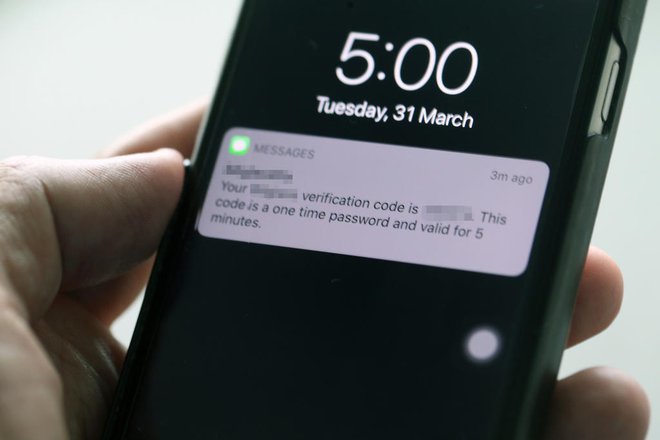
Cảnh báo

Tin nổi bật

Valuable traditions and spingranny offer fascinating family history perspectives for everyone

Delving into family history can be an incredibly rewarding experience, connecting us to generations past and providing a deeper understanding of who we are. Often, these explorations uncover not just names and dates, but also cherished traditions and anecdotal stories passed down through families. The role of grandparents, particularly grandmothers, is often central to preserving these cultural legacies, and the term spingranny—a term often used affectionately—represents a keeper of these precious heirlooms. Understanding these familial connections allows us to appreciate the richness and complexity of our heritage.

Family stories, rituals, and even recipes are all vital pieces of the puzzle that reveals our ancestry. These aren't simply historical facts; they're living narratives that shape our identities and values. The stories we hear from older relatives provide context to our own lives, helping us understand why our families made certain choices or held particular beliefs. They illuminate the challenges and triumphs of those who came before us, fostering a sense of belonging and continuity. Bringing these stories to light can be an ongoing process, requiring dedication and a willingness to listen.

Uncovering the Roots: Oral Histories and Genealogy

Genealogy, the study of family lineage, often serves as a starting point for those eager to understand their historical background. It involves meticulously tracing ancestors through official records – birth certificates, marriage licenses, census data, and more. However, genealogy alone can often feel like assembling a bare-bones framework. It’s the accompanying oral histories, the narratives passed down through generations, that truly breathe life into the family tree. These stories offer insights into personalities, motivations, and the everyday realities of our ancestors' lives – details rarely found in formal documents. A spingranny, with her wealth of accumulated wisdom and shared experiences, is an invaluable resource in building a comprehensive family history.

The Art of the Interview

Successfully capturing these oral histories requires a thoughtful approach. Simply asking “Tell me about your life” can be overwhelming for the storyteller. Instead, focusing on specific events, people, or time periods can spark more focused and detailed recollections. Prepare open-ended questions that encourage elaboration, such as “What was your childhood home like?” or “What were your grandparents’ greatest challenges?” Recording these conversations – with permission, of course – is crucial for preserving them for future generations. Taking detailed notes can also be beneficial, capturing not only the substance of the story but also the storyteller’s tone and mannerisms. These nuances can add layers of meaning to the narrative.

Record Type Information Gained
Birth Certificates Dates and places of birth, parents’ names
Marriage Licenses Dates and places of marriage, spouses’ names
Census Records Household composition, occupations, places of residence
Oral Histories Personal stories, family traditions, cultural insights

The information gathered through genealogy and oral history should be cross-referenced whenever possible. Corroborating details across multiple sources strengthens the accuracy of your family narrative and allows for a more nuanced understanding of the past. Remember that memories can be fallible, and records can be incomplete, so a critical and analytical approach is essential.

Traditions as Historical Markers

Family traditions, both large and small, are powerful indicators of cultural heritage and personal values. From holiday celebrations and culinary practices to bedtime stories and family heirlooms, these traditions connect us to our ancestors and provide a sense of continuity. They represent a tangible link to the past, offering a glimpse into the beliefs, customs, and priorities of previous generations. The role of a spingranny is often pivotal in maintaining these traditions, ensuring that they are passed down to subsequent generations. She embodies the continuity of family life.

Exploring the Significance of Rituals

Every tradition has a story behind it, a historical context that explains its origins and evolution. Investigating these origins can reveal fascinating insights into your family’s past. For example, a particular holiday recipe might have been brought to your country by immigrant ancestors, representing a culinary tie to their homeland. A specific family heirloom might have been passed down through generations, symbolizing a significant event or achievement. By understanding the significance of these rituals, we gain a deeper appreciation for the values and experiences of those who came before us. And recognizing these origins can also illuminate how families adapted to new surroundings and circumstances.

  • Holiday Celebrations: Reflect cultural and religious beliefs.
  • Culinary Practices: Represent regional specialties and family favorites.
  • Bedtime Stories: Transmit moral lessons and cultural values.
  • Family Heirlooms: Symbolize important events and achievements.
  • Unique Family Customs: Display individuality and shared experiences.

Documenting these traditions is equally important. Photographing celebrations, recording recipes, and writing down the stories behind cherished objects all help preserve them for future generations. Creating a family scrapbook or website dedicated to documenting these traditions can be a wonderful way to share them with relatives near and far. The act of documenting itself reinforces the importance of these traditions and encourages their continued practice.

The Impact of Migration and Displacement

Migration and displacement are common themes in many family histories, particularly for those with roots in countries experiencing periods of conflict, economic hardship, or political upheaval. These events often result in significant disruptions to family life, forcing people to leave their homes, abandon their livelihoods, and adapt to new cultures and environments. Understanding the circumstances surrounding these migrations can provide valuable context for understanding the challenges and resilience of our ancestors. These stories often reveal a strength of character and a determination to build a better life for themselves and their children. A spingranny, having likely lived through significant historical changes, may possess firsthand accounts of these experiences or have heard detailed stories from her own parents or grandparents.

Navigating the Challenges of Assimilation

The process of assimilating into a new culture is rarely easy. It often involves navigating language barriers, cultural differences, and societal prejudices. Immigrant families often face difficult choices about preserving their cultural heritage while also adapting to the norms of their new homeland. These choices can lead to internal conflicts and generational gaps. Exploring these experiences can shed light on the sacrifices made by our ancestors and the adaptations they embraced. It's important to approach these stories with sensitivity and respect, acknowledging the complex emotions and challenges involved. The preservation of language is frequently a concern and a conscious effort made within these families, as it directly connects them to their origins.

  1. Research immigration records to determine arrival dates and ports of entry.
  2. Explore historical events that may have prompted migration or displacement.
  3. Interview family members to gather personal stories about the migration experience.
  4. Investigate the challenges of assimilation faced by immigrant ancestors.
  5. Document the ways in which cultural traditions were preserved or adapted.

Understanding the motivations behind migration and the challenges of assimilation can foster a deeper appreciation for the sacrifices made by our ancestors and the contributions they made to their new communities. It can also help us recognize the ongoing struggles faced by immigrant populations around the world. Preserving these narratives is a testament to their fortitude and resilience.

Family Photographs and Material Culture

Family photographs and material objects offer tangible connections to the past, providing a visual and tactile link to our ancestors. Old photographs can reveal details about clothing, hairstyles, and living conditions, offering glimpses into the everyday lives of those who came before us. Family heirlooms – furniture, jewelry, tools, or works of art – can carry significant sentimental value and represent important family stories or traditions. These items aren’t just relics; they’re echoes of lives lived and memories cherished. They provide a three-dimensional understanding of history that complements genealogical research and oral histories, painting a richer, more complete picture of our heritage.

Passing Down the Legacy: Continued Storytelling

The act of preserving family history isn’t just about documenting the past; it’s about ensuring that these stories continue to be told and shared with future generations. Encouraging open communication within the family, creating opportunities for intergenerational conversations, and actively seeking out and recording family narratives are all essential steps in this process. The influence of a spingranny persists as she shares these stories, fostering a sense of identity, belonging, and connection. The sustained transmission of these narratives strengthens the bond between generations and ensures that the lessons of the past are not forgotten.

Consider creating a dedicated space – physical or digital – for family history materials. A family archive, whether it’s a collection of photo albums and documents or a website dedicated to sharing family stories, can serve as a valuable resource for future generations. Regularly revisiting these stories and sharing them with young family members can instill a sense of pride in their heritage and encourage them to continue the tradition of storytelling. Family history isn’t a static collection of facts and dates; it’s a living, breathing narrative that evolves with each generation.

Valuable traditions and spingranny offer fascinating family history perspectives for everyone

Delving into family history can be an incredibly rewarding experience, connecting us to generations past and providing a deeper understanding of who we are. Often, these explorations uncover not just names and dates, but also cherished traditions and anecdotal stories passed down through families. The role of grandparents, particularly grandmothers, is often central to preserving these cultural legacies, and the term spingranny—a term often used affectionately—represents a keeper of these precious heirlooms. Understanding these familial connections allows us to appreciate the richness and complexity of our heritage.

Family stories, rituals, and even recipes are all vital pieces of the puzzle that reveals our ancestry. These aren't simply historical facts; they're living narratives that shape our identities and values. The stories we hear from older relatives provide context to our own lives, helping us understand why our families made certain choices or held particular beliefs. They illuminate the challenges and triumphs of those who came before us, fostering a sense of belonging and continuity. Bringing these stories to light can be an ongoing process, requiring dedication and a willingness to listen.

Uncovering the Roots: Oral Histories and Genealogy

Genealogy, the study of family lineage, often serves as a starting point for those eager to understand their historical background. It involves meticulously tracing ancestors through official records – birth certificates, marriage licenses, census data, and more. However, genealogy alone can often feel like assembling a bare-bones framework. It’s the accompanying oral histories, the narratives passed down through generations, that truly breathe life into the family tree. These stories offer insights into personalities, motivations, and the everyday realities of our ancestors' lives – details rarely found in formal documents. A spingranny, with her wealth of accumulated wisdom and shared experiences, is an invaluable resource in building a comprehensive family history.

The Art of the Interview

Successfully capturing these oral histories requires a thoughtful approach. Simply asking “Tell me about your life” can be overwhelming for the storyteller. Instead, focusing on specific events, people, or time periods can spark more focused and detailed recollections. Prepare open-ended questions that encourage elaboration, such as “What was your childhood home like?” or “What were your grandparents’ greatest challenges?” Recording these conversations – with permission, of course – is crucial for preserving them for future generations. Taking detailed notes can also be beneficial, capturing not only the substance of the story but also the storyteller’s tone and mannerisms. These nuances can add layers of meaning to the narrative.

Record Type Information Gained
Birth Certificates Dates and places of birth, parents’ names
Marriage Licenses Dates and places of marriage, spouses’ names
Census Records Household composition, occupations, places of residence
Oral Histories Personal stories, family traditions, cultural insights

The information gathered through genealogy and oral history should be cross-referenced whenever possible. Corroborating details across multiple sources strengthens the accuracy of your family narrative and allows for a more nuanced understanding of the past. Remember that memories can be fallible, and records can be incomplete, so a critical and analytical approach is essential.

Traditions as Historical Markers

Family traditions, both large and small, are powerful indicators of cultural heritage and personal values. From holiday celebrations and culinary practices to bedtime stories and family heirlooms, these traditions connect us to our ancestors and provide a sense of continuity. They represent a tangible link to the past, offering a glimpse into the beliefs, customs, and priorities of previous generations. The role of a spingranny is often pivotal in maintaining these traditions, ensuring that they are passed down to subsequent generations. She embodies the continuity of family life.

Exploring the Significance of Rituals

Every tradition has a story behind it, a historical context that explains its origins and evolution. Investigating these origins can reveal fascinating insights into your family’s past. For example, a particular holiday recipe might have been brought to your country by immigrant ancestors, representing a culinary tie to their homeland. A specific family heirloom might have been passed down through generations, symbolizing a significant event or achievement. By understanding the significance of these rituals, we gain a deeper appreciation for the values and experiences of those who came before us. And recognizing these origins can also illuminate how families adapted to new surroundings and circumstances.

  • Holiday Celebrations: Reflect cultural and religious beliefs.
  • Culinary Practices: Represent regional specialties and family favorites.
  • Bedtime Stories: Transmit moral lessons and cultural values.
  • Family Heirlooms: Symbolize important events and achievements.
  • Unique Family Customs: Display individuality and shared experiences.

Documenting these traditions is equally important. Photographing celebrations, recording recipes, and writing down the stories behind cherished objects all help preserve them for future generations. Creating a family scrapbook or website dedicated to documenting these traditions can be a wonderful way to share them with relatives near and far. The act of documenting itself reinforces the importance of these traditions and encourages their continued practice.

The Impact of Migration and Displacement

Migration and displacement are common themes in many family histories, particularly for those with roots in countries experiencing periods of conflict, economic hardship, or political upheaval. These events often result in significant disruptions to family life, forcing people to leave their homes, abandon their livelihoods, and adapt to new cultures and environments. Understanding the circumstances surrounding these migrations can provide valuable context for understanding the challenges and resilience of our ancestors. These stories often reveal a strength of character and a determination to build a better life for themselves and their children. A spingranny, having likely lived through significant historical changes, may possess firsthand accounts of these experiences or have heard detailed stories from her own parents or grandparents.

Navigating the Challenges of Assimilation

The process of assimilating into a new culture is rarely easy. It often involves navigating language barriers, cultural differences, and societal prejudices. Immigrant families often face difficult choices about preserving their cultural heritage while also adapting to the norms of their new homeland. These choices can lead to internal conflicts and generational gaps. Exploring these experiences can shed light on the sacrifices made by our ancestors and the adaptations they embraced. It's important to approach these stories with sensitivity and respect, acknowledging the complex emotions and challenges involved. The preservation of language is frequently a concern and a conscious effort made within these families, as it directly connects them to their origins.

  1. Research immigration records to determine arrival dates and ports of entry.
  2. Explore historical events that may have prompted migration or displacement.
  3. Interview family members to gather personal stories about the migration experience.
  4. Investigate the challenges of assimilation faced by immigrant ancestors.
  5. Document the ways in which cultural traditions were preserved or adapted.

Understanding the motivations behind migration and the challenges of assimilation can foster a deeper appreciation for the sacrifices made by our ancestors and the contributions they made to their new communities. It can also help us recognize the ongoing struggles faced by immigrant populations around the world. Preserving these narratives is a testament to their fortitude and resilience.

Family Photographs and Material Culture

Family photographs and material objects offer tangible connections to the past, providing a visual and tactile link to our ancestors. Old photographs can reveal details about clothing, hairstyles, and living conditions, offering glimpses into the everyday lives of those who came before us. Family heirlooms – furniture, jewelry, tools, or works of art – can carry significant sentimental value and represent important family stories or traditions. These items aren’t just relics; they’re echoes of lives lived and memories cherished. They provide a three-dimensional understanding of history that complements genealogical research and oral histories, painting a richer, more complete picture of our heritage.

Passing Down the Legacy: Continued Storytelling

The act of preserving family history isn’t just about documenting the past; it’s about ensuring that these stories continue to be told and shared with future generations. Encouraging open communication within the family, creating opportunities for intergenerational conversations, and actively seeking out and recording family narratives are all essential steps in this process. The influence of a spingranny persists as she shares these stories, fostering a sense of identity, belonging, and connection. The sustained transmission of these narratives strengthens the bond between generations and ensures that the lessons of the past are not forgotten.

Consider creating a dedicated space – physical or digital – for family history materials. A family archive, whether it’s a collection of photo albums and documents or a website dedicated to sharing family stories, can serve as a valuable resource for future generations. Regularly revisiting these stories and sharing them with young family members can instill a sense of pride in their heritage and encourage them to continue the tradition of storytelling. Family history isn’t a static collection of facts and dates; it’s a living, breathing narrative that evolves with each generation.

Valuable traditions and spingranny offer fascinating family history perspectives for everyone

Delving into family history can be an incredibly rewarding experience, connecting us to generations past and providing a deeper understanding of who we are. Often, these explorations uncover not just names and dates, but also cherished traditions and anecdotal stories passed down through families. The role of grandparents, particularly grandmothers, is often central to preserving these cultural legacies, and the term spingranny—a term often used affectionately—represents a keeper of these precious heirlooms. Understanding these familial connections allows us to appreciate the richness and complexity of our heritage.

Family stories, rituals, and even recipes are all vital pieces of the puzzle that reveals our ancestry. These aren't simply historical facts; they're living narratives that shape our identities and values. The stories we hear from older relatives provide context to our own lives, helping us understand why our families made certain choices or held particular beliefs. They illuminate the challenges and triumphs of those who came before us, fostering a sense of belonging and continuity. Bringing these stories to light can be an ongoing process, requiring dedication and a willingness to listen.

Uncovering the Roots: Oral Histories and Genealogy

Genealogy, the study of family lineage, often serves as a starting point for those eager to understand their historical background. It involves meticulously tracing ancestors through official records – birth certificates, marriage licenses, census data, and more. However, genealogy alone can often feel like assembling a bare-bones framework. It’s the accompanying oral histories, the narratives passed down through generations, that truly breathe life into the family tree. These stories offer insights into personalities, motivations, and the everyday realities of our ancestors' lives – details rarely found in formal documents. A spingranny, with her wealth of accumulated wisdom and shared experiences, is an invaluable resource in building a comprehensive family history.

The Art of the Interview

Successfully capturing these oral histories requires a thoughtful approach. Simply asking “Tell me about your life” can be overwhelming for the storyteller. Instead, focusing on specific events, people, or time periods can spark more focused and detailed recollections. Prepare open-ended questions that encourage elaboration, such as “What was your childhood home like?” or “What were your grandparents’ greatest challenges?” Recording these conversations – with permission, of course – is crucial for preserving them for future generations. Taking detailed notes can also be beneficial, capturing not only the substance of the story but also the storyteller’s tone and mannerisms. These nuances can add layers of meaning to the narrative.

Record Type Information Gained
Birth Certificates Dates and places of birth, parents’ names
Marriage Licenses Dates and places of marriage, spouses’ names
Census Records Household composition, occupations, places of residence
Oral Histories Personal stories, family traditions, cultural insights

The information gathered through genealogy and oral history should be cross-referenced whenever possible. Corroborating details across multiple sources strengthens the accuracy of your family narrative and allows for a more nuanced understanding of the past. Remember that memories can be fallible, and records can be incomplete, so a critical and analytical approach is essential.

Traditions as Historical Markers

Family traditions, both large and small, are powerful indicators of cultural heritage and personal values. From holiday celebrations and culinary practices to bedtime stories and family heirlooms, these traditions connect us to our ancestors and provide a sense of continuity. They represent a tangible link to the past, offering a glimpse into the beliefs, customs, and priorities of previous generations. The role of a spingranny is often pivotal in maintaining these traditions, ensuring that they are passed down to subsequent generations. She embodies the continuity of family life.

Exploring the Significance of Rituals

Every tradition has a story behind it, a historical context that explains its origins and evolution. Investigating these origins can reveal fascinating insights into your family’s past. For example, a particular holiday recipe might have been brought to your country by immigrant ancestors, representing a culinary tie to their homeland. A specific family heirloom might have been passed down through generations, symbolizing a significant event or achievement. By understanding the significance of these rituals, we gain a deeper appreciation for the values and experiences of those who came before us. And recognizing these origins can also illuminate how families adapted to new surroundings and circumstances.

  • Holiday Celebrations: Reflect cultural and religious beliefs.
  • Culinary Practices: Represent regional specialties and family favorites.
  • Bedtime Stories: Transmit moral lessons and cultural values.
  • Family Heirlooms: Symbolize important events and achievements.
  • Unique Family Customs: Display individuality and shared experiences.

Documenting these traditions is equally important. Photographing celebrations, recording recipes, and writing down the stories behind cherished objects all help preserve them for future generations. Creating a family scrapbook or website dedicated to documenting these traditions can be a wonderful way to share them with relatives near and far. The act of documenting itself reinforces the importance of these traditions and encourages their continued practice.

The Impact of Migration and Displacement

Migration and displacement are common themes in many family histories, particularly for those with roots in countries experiencing periods of conflict, economic hardship, or political upheaval. These events often result in significant disruptions to family life, forcing people to leave their homes, abandon their livelihoods, and adapt to new cultures and environments. Understanding the circumstances surrounding these migrations can provide valuable context for understanding the challenges and resilience of our ancestors. These stories often reveal a strength of character and a determination to build a better life for themselves and their children. A spingranny, having likely lived through significant historical changes, may possess firsthand accounts of these experiences or have heard detailed stories from her own parents or grandparents.

Navigating the Challenges of Assimilation

The process of assimilating into a new culture is rarely easy. It often involves navigating language barriers, cultural differences, and societal prejudices. Immigrant families often face difficult choices about preserving their cultural heritage while also adapting to the norms of their new homeland. These choices can lead to internal conflicts and generational gaps. Exploring these experiences can shed light on the sacrifices made by our ancestors and the adaptations they embraced. It's important to approach these stories with sensitivity and respect, acknowledging the complex emotions and challenges involved. The preservation of language is frequently a concern and a conscious effort made within these families, as it directly connects them to their origins.

  1. Research immigration records to determine arrival dates and ports of entry.
  2. Explore historical events that may have prompted migration or displacement.
  3. Interview family members to gather personal stories about the migration experience.
  4. Investigate the challenges of assimilation faced by immigrant ancestors.
  5. Document the ways in which cultural traditions were preserved or adapted.

Understanding the motivations behind migration and the challenges of assimilation can foster a deeper appreciation for the sacrifices made by our ancestors and the contributions they made to their new communities. It can also help us recognize the ongoing struggles faced by immigrant populations around the world. Preserving these narratives is a testament to their fortitude and resilience.

Family Photographs and Material Culture

Family photographs and material objects offer tangible connections to the past, providing a visual and tactile link to our ancestors. Old photographs can reveal details about clothing, hairstyles, and living conditions, offering glimpses into the everyday lives of those who came before us. Family heirlooms – furniture, jewelry, tools, or works of art – can carry significant sentimental value and represent important family stories or traditions. These items aren’t just relics; they’re echoes of lives lived and memories cherished. They provide a three-dimensional understanding of history that complements genealogical research and oral histories, painting a richer, more complete picture of our heritage.

Passing Down the Legacy: Continued Storytelling

The act of preserving family history isn’t just about documenting the past; it’s about ensuring that these stories continue to be told and shared with future generations. Encouraging open communication within the family, creating opportunities for intergenerational conversations, and actively seeking out and recording family narratives are all essential steps in this process. The influence of a spingranny persists as she shares these stories, fostering a sense of identity, belonging, and connection. The sustained transmission of these narratives strengthens the bond between generations and ensures that the lessons of the past are not forgotten.

Consider creating a dedicated space – physical or digital – for family history materials. A family archive, whether it’s a collection of photo albums and documents or a website dedicated to sharing family stories, can serve as a valuable resource for future generations. Regularly revisiting these stories and sharing them with young family members can instill a sense of pride in their heritage and encourage them to continue the tradition of storytelling. Family history isn’t a static collection of facts and dates; it’s a living, breathing narrative that evolves with each generation.
Essential knowledge from beginner steps to advanced levels through spingranny techniques

The world of therapeutic practices is constantly evolving, and one method gaining increasing attention is known as spingranny. This approach, focusing on mindful movement and connection with inner resilience, offers a unique path towards emotional and physical wellbeing. It's a holistic technique, drawing inspiration from diverse traditions and tailored to individual needs. Understanding its core principles, practical applications, and potential benefits is crucial for anyone seeking innovative ways to enhance their quality of life and cope with modern challenges.

At its heart, this practice isn’t about rigidly adhering to a set of exercises, but rather about cultivating a deeper awareness of the body’s inherent wisdom. It encourages a gentle exploration of physical sensations, emotional states, and mental patterns, fostering a sense of presence and self-compassion. Unlike some more intensive methods, it prioritizes accessibility and adaptability, making it suitable for people of all ages and fitness levels. The emphasis is on self-discovery and finding what feels right for the individual, rather than striving for a specific outcome.

Understanding the Core Principles

The foundation of this therapeutic approach rests on several interconnected principles. Central to it is the concept of embodied awareness – the ability to fully inhabit and experience the physical body without judgment. This means paying attention to sensations like breath, heartbeat, muscle tension, and temperature, noticing them as they arise and pass without getting carried away by thoughts or emotions. Another key principle is the acceptance of present moment experience, acknowledging whatever is happening without resistance, and recognizing that discomfort or pain is a natural part of life. This is not about suppressing negative feelings, but about creating space for them to be felt and processed.

The Role of Gentle Movement

While mindful awareness is paramount, gentle movement plays a vital role in unlocking deeper levels of self-understanding. These movements aren't about achieving physical perfection or building strength, but rather about facilitating a connection between the body and the mind. Simple stretches, slow walks, or even mindful rocking can help release tension, improve circulation, and promote a sense of grounding. These movements act as anchors to the present moment, drawing attention away from rumination or anxiety. They invite exploration and encourage individuals to listen to their body's signals, honoring its needs and limits.

Principle Description
Embodied Awareness Fully inhabiting and experiencing the physical body without judgment.
Present Moment Acceptance Acknowledging and accepting current experience without resistance.
Gentle Exploration Using movement to facilitate connection between mind and body.
Self-Compassion Treating oneself with kindness, understanding, and acceptance.

The table illustrates key tenets. Integrating these principles consistently can lead to profound shifts in perspective and a greater sense of inner peace. It’s about building a relationship with yourself based on kindness, curiosity, and acceptance, rather than self-criticism and striving.

Connecting to Inner Resilience

A significant aspect of this practice focuses on accessing and strengthening inner resilience – the capacity to bounce back from adversity and navigate life’s inevitable challenges. This isn’t about denying difficulty, but rather about cultivating the inner resources to cope with it effectively. Through mindful awareness and gentle movement, individuals can begin to identify and challenge limiting beliefs, release pent-up emotions, and reconnect with their inherent strength. It’s a process of rediscovering one’s own innate capacity for healing and growth, even in the midst of pain or suffering.

Cultivating Self-Compassion

Self-compassion is a crucial element in building resilience. It involves treating yourself with the same kindness, care, and understanding that you would offer to a dear friend. This means acknowledging your imperfections, recognizing that suffering is a universal human experience, and offering yourself words of encouragement and support. Practicing self-compassion can help to counteract self-criticism, reduce feelings of shame and isolation, and foster a more positive and accepting relationship with yourself. It’s about moving away from a harsh inner judge and towards a loving and supportive inner ally.

  • Recognize your shared humanity: Understand that everyone experiences challenges and imperfections.
  • Be kind to yourself: Treat yourself with the same compassion you would offer a friend.
  • Practice mindfulness: Observe your thoughts and feelings without judgment.
  • Challenge self-criticism: Replace negative self-talk with positive affirmations.

These strategies offer a solid base for developing self-compassion. The ability to approach yourself with kindness, even when you’re struggling, is a powerful tool for navigating life’s inevitable difficulties.

Adapting the Practice to Individual Needs

One of the strengths of this therapeutic method is its adaptability. There is no one-size-fits-all approach; instead, the practice is tailored to meet the unique needs and circumstances of each individual. This may involve modifying the movements to accommodate physical limitations, adjusting the pace to suit personal preferences, or incorporating specific elements that resonate with one’s cultural background or spiritual beliefs. The key is to listen to your body, honor your boundaries, and find what feels genuinely supportive and empowering.

Integrating with Other Therapies

This approach can be effectively integrated with other therapeutic modalities, such as psychotherapy, massage therapy, or acupuncture. It can serve as a valuable adjunct to these treatments, enhancing their effectiveness and promoting a more holistic healing process. For example, incorporating mindful movement into psychotherapy sessions can help clients to access and process difficult emotions more effectively. Likewise, combining it with massage therapy can promote deeper relaxation and release of muscle tension. It’s a versatile practice that can complement and amplify the benefits of other healing modalities.

  1. Consult with a healthcare professional before starting any new therapeutic practice.
  2. Begin with gentle movements and gradually increase intensity as your body allows.
  3. Pay attention to your body’s signals and stop if you experience any pain or discomfort.
  4. Practice regularly, even if it’s just for a few minutes each day.

These are basic guidelines for safe and effective practice. Remember that consistency and self-awareness are key to unlocking the full benefits of this approach. Regularly setting aside time, even a few brief moments, is crucial for cultivating lasting well-being.

Specific Applications for Wellbeing

The applications of this methodology extend far beyond general wellbeing, offering targeted support for a range of specific challenges. For individuals struggling with anxiety, the practice of mindful awareness can help to interrupt the cycle of worry and rumination, fostering a sense of calm and presence. For those experiencing chronic pain, gentle movement and body awareness can help to reduce tension, improve range of motion, and alleviate discomfort. Additionally, it can be a valuable tool for managing stress, improving sleep quality, and enhancing emotional regulation.

Furthermore, the practice benefits individuals seeking to foster greater self-acceptance and body positivity. By cultivating a non-judgmental awareness of physical sensations, individuals can begin to appreciate their bodies for what they are capable of, rather than focusing on perceived flaws. This can lead to a more positive body image, increased self-confidence, and a deeper sense of self-worth. Exploring the sensations of the body, without critique, can be a liberating and transformative experience.

Exploring Future Directions and Expanding Horizons

As research continues to illuminate the benefits of this approach, we can anticipate further innovations and applications in the years to come. Integrating biofeedback technology could offer individuals more precise data on their physiological responses, allowing them to fine-tune their practice and optimize their results. Exploring the potential of virtual reality environments could create immersive and engaging experiences that enhance the sense of presence and facilitate deeper exploration of inner states. There’s also a growing interest in adapting the principles for group settings, fostering a sense of community and shared support. This evolving field promises continued growth and refinement.

Looking ahead, a fascinating avenue for exploration lies in applying its principles to address collective trauma and promote social healing. By fostering empathy, cultivating resilience, and encouraging connection, it has the potential to build bridges between individuals and communities, fostering a more compassionate and just world. The core tenets of mindful awareness and self-compassion are universally applicable, offering a powerful framework for navigating the complexities of the human experience and creating a more peaceful and sustainable future for all.

Essential knowledge from beginner steps to advanced levels through spingranny techniques

The world of therapeutic practices is constantly evolving, and one method gaining increasing attention is known as spingranny. This approach, focusing on mindful movement and connection with inner resilience, offers a unique path towards emotional and physical wellbeing. It's a holistic technique, drawing inspiration from diverse traditions and tailored to individual needs. Understanding its core principles, practical applications, and potential benefits is crucial for anyone seeking innovative ways to enhance their quality of life and cope with modern challenges.

At its heart, this practice isn’t about rigidly adhering to a set of exercises, but rather about cultivating a deeper awareness of the body’s inherent wisdom. It encourages a gentle exploration of physical sensations, emotional states, and mental patterns, fostering a sense of presence and self-compassion. Unlike some more intensive methods, it prioritizes accessibility and adaptability, making it suitable for people of all ages and fitness levels. The emphasis is on self-discovery and finding what feels right for the individual, rather than striving for a specific outcome.

Understanding the Core Principles

The foundation of this therapeutic approach rests on several interconnected principles. Central to it is the concept of embodied awareness – the ability to fully inhabit and experience the physical body without judgment. This means paying attention to sensations like breath, heartbeat, muscle tension, and temperature, noticing them as they arise and pass without getting carried away by thoughts or emotions. Another key principle is the acceptance of present moment experience, acknowledging whatever is happening without resistance, and recognizing that discomfort or pain is a natural part of life. This is not about suppressing negative feelings, but about creating space for them to be felt and processed.

The Role of Gentle Movement

While mindful awareness is paramount, gentle movement plays a vital role in unlocking deeper levels of self-understanding. These movements aren't about achieving physical perfection or building strength, but rather about facilitating a connection between the body and the mind. Simple stretches, slow walks, or even mindful rocking can help release tension, improve circulation, and promote a sense of grounding. These movements act as anchors to the present moment, drawing attention away from rumination or anxiety. They invite exploration and encourage individuals to listen to their body's signals, honoring its needs and limits.

Principle Description
Embodied Awareness Fully inhabiting and experiencing the physical body without judgment.
Present Moment Acceptance Acknowledging and accepting current experience without resistance.
Gentle Exploration Using movement to facilitate connection between mind and body.
Self-Compassion Treating oneself with kindness, understanding, and acceptance.

The table illustrates key tenets. Integrating these principles consistently can lead to profound shifts in perspective and a greater sense of inner peace. It’s about building a relationship with yourself based on kindness, curiosity, and acceptance, rather than self-criticism and striving.

Connecting to Inner Resilience

A significant aspect of this practice focuses on accessing and strengthening inner resilience – the capacity to bounce back from adversity and navigate life’s inevitable challenges. This isn’t about denying difficulty, but rather about cultivating the inner resources to cope with it effectively. Through mindful awareness and gentle movement, individuals can begin to identify and challenge limiting beliefs, release pent-up emotions, and reconnect with their inherent strength. It’s a process of rediscovering one’s own innate capacity for healing and growth, even in the midst of pain or suffering.

Cultivating Self-Compassion

Self-compassion is a crucial element in building resilience. It involves treating yourself with the same kindness, care, and understanding that you would offer to a dear friend. This means acknowledging your imperfections, recognizing that suffering is a universal human experience, and offering yourself words of encouragement and support. Practicing self-compassion can help to counteract self-criticism, reduce feelings of shame and isolation, and foster a more positive and accepting relationship with yourself. It’s about moving away from a harsh inner judge and towards a loving and supportive inner ally.

  • Recognize your shared humanity: Understand that everyone experiences challenges and imperfections.
  • Be kind to yourself: Treat yourself with the same compassion you would offer a friend.
  • Practice mindfulness: Observe your thoughts and feelings without judgment.
  • Challenge self-criticism: Replace negative self-talk with positive affirmations.

These strategies offer a solid base for developing self-compassion. The ability to approach yourself with kindness, even when you’re struggling, is a powerful tool for navigating life’s inevitable difficulties.

Adapting the Practice to Individual Needs

One of the strengths of this therapeutic method is its adaptability. There is no one-size-fits-all approach; instead, the practice is tailored to meet the unique needs and circumstances of each individual. This may involve modifying the movements to accommodate physical limitations, adjusting the pace to suit personal preferences, or incorporating specific elements that resonate with one’s cultural background or spiritual beliefs. The key is to listen to your body, honor your boundaries, and find what feels genuinely supportive and empowering.

Integrating with Other Therapies

This approach can be effectively integrated with other therapeutic modalities, such as psychotherapy, massage therapy, or acupuncture. It can serve as a valuable adjunct to these treatments, enhancing their effectiveness and promoting a more holistic healing process. For example, incorporating mindful movement into psychotherapy sessions can help clients to access and process difficult emotions more effectively. Likewise, combining it with massage therapy can promote deeper relaxation and release of muscle tension. It’s a versatile practice that can complement and amplify the benefits of other healing modalities.

  1. Consult with a healthcare professional before starting any new therapeutic practice.
  2. Begin with gentle movements and gradually increase intensity as your body allows.
  3. Pay attention to your body’s signals and stop if you experience any pain or discomfort.
  4. Practice regularly, even if it’s just for a few minutes each day.

These are basic guidelines for safe and effective practice. Remember that consistency and self-awareness are key to unlocking the full benefits of this approach. Regularly setting aside time, even a few brief moments, is crucial for cultivating lasting well-being.

Specific Applications for Wellbeing

The applications of this methodology extend far beyond general wellbeing, offering targeted support for a range of specific challenges. For individuals struggling with anxiety, the practice of mindful awareness can help to interrupt the cycle of worry and rumination, fostering a sense of calm and presence. For those experiencing chronic pain, gentle movement and body awareness can help to reduce tension, improve range of motion, and alleviate discomfort. Additionally, it can be a valuable tool for managing stress, improving sleep quality, and enhancing emotional regulation.

Furthermore, the practice benefits individuals seeking to foster greater self-acceptance and body positivity. By cultivating a non-judgmental awareness of physical sensations, individuals can begin to appreciate their bodies for what they are capable of, rather than focusing on perceived flaws. This can lead to a more positive body image, increased self-confidence, and a deeper sense of self-worth. Exploring the sensations of the body, without critique, can be a liberating and transformative experience.

Exploring Future Directions and Expanding Horizons

As research continues to illuminate the benefits of this approach, we can anticipate further innovations and applications in the years to come. Integrating biofeedback technology could offer individuals more precise data on their physiological responses, allowing them to fine-tune their practice and optimize their results. Exploring the potential of virtual reality environments could create immersive and engaging experiences that enhance the sense of presence and facilitate deeper exploration of inner states. There’s also a growing interest in adapting the principles for group settings, fostering a sense of community and shared support. This evolving field promises continued growth and refinement.

Looking ahead, a fascinating avenue for exploration lies in applying its principles to address collective trauma and promote social healing. By fostering empathy, cultivating resilience, and encouraging connection, it has the potential to build bridges between individuals and communities, fostering a more compassionate and just world. The core tenets of mindful awareness and self-compassion are universally applicable, offering a powerful framework for navigating the complexities of the human experience and creating a more peaceful and sustainable future for all.

Cảnh báo
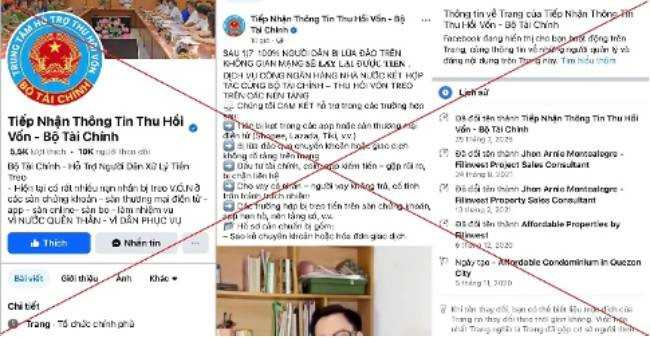
Hiện nay, trên facebook mạo danh Bộ Tài Chính đăng tải nhiều video, bài viết có nội dung hỗ trợ người dân bị lừa đảo trên mạng để lừa đảo tiếp nạn nhân.

Đáng chú ý, trang facebook này đang có tích xanh khiến nhiều người dân dễ bị nhầm tưởng là trang chính thống của Bộ Tài chính. Theo đó, đánh vào tâm lý những người từng bị lừa đảo mong muốn lấy lại số tiền đã mất, các đối tượng giới thiệu sẽ hỗ trợ thu hồi tiền bị lừa với thủ tục nhanh chóng, cam kết 100% lấy lại được tiền lừa đảo. Thay vì đến cơ quan Công an trình báo, người bị lừa lại lên mạng xã hội để tìm kiếm trang mạng hỗ trợ lấy lại tiền.

2-1.jpg
Trang giả mạo Bộ Tài chính có xác thực tích xanh.

Nhiều người do nhầm lẫn, nghĩ rằng trang ghi thông tin Bộ Tài Chính được xác thực tích xanh, là trang uy tín nên đã liên hệ để nhờ hỗ trợ. Lúc này, các đối tượng hướng dẫn nạn nhân chuyển tiền để hỗ trợ. Nhiều nạn nhận đã bị lừa, nay lại tiếp tục “sập bẫy” các đối tượng lừa đảo và chuyển tiền.

Công an thành phố Hà Nội đề nghị người dân thận trọng, cảnh giác trước những trang facebook giả mạo này. Tuyệt đối không nghe theo, không liên hệ với các website, fanpage, tài khoản mạng xã hội quảng cáo dịch vụ “tiếp nhận hồ sơ”, “hỗ trợ lấy lại tiền bị treo”, “thu hồi tiền lừa đảo”… trên không gian mạng; không chuyển tiền cho các đối tượng trên để được hướng dẫn, làm hồ sơ thu hồi tiền.

Khi phát hiện các trường hợp có dấu hiệu bị lừa đảo, người dân nên đến cơ quan Công an trình báo để giải quyết vụ việc theo quy định của pháp luật.

Kẻ xấu gọi điện cho người nộp thuế tự xưng là công chức thuế mời lên làm việc, hướng dẫn kê khai miễn, giảm thuế, mời tập huấn… nhưng thực chất đây chỉ là chiêu lừa đảo.
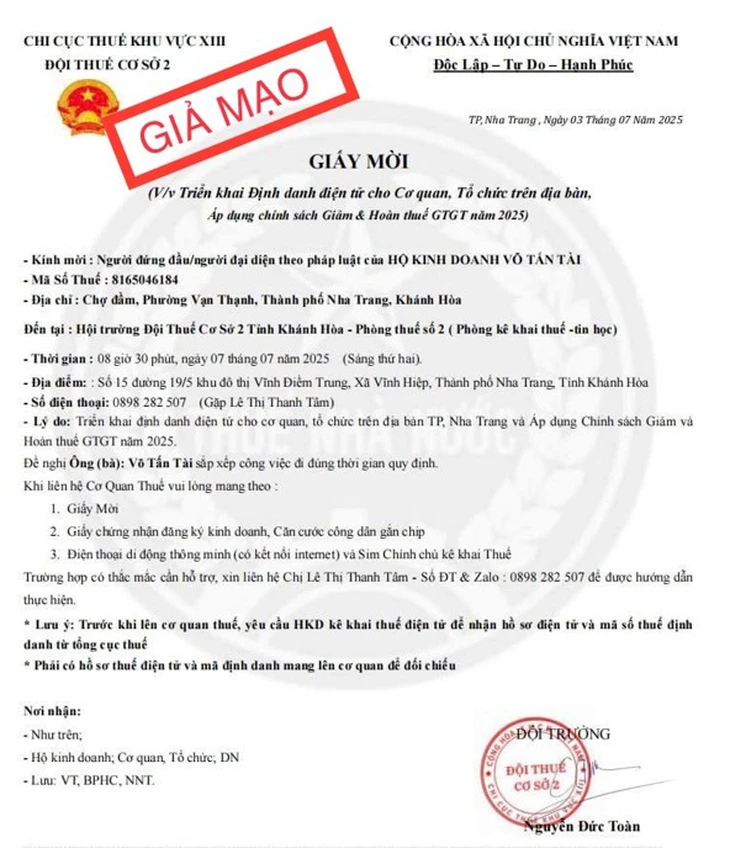
nộp thuế - Ảnh 1.Giấy mời mà đối tượng mạo danh cán bộ thuế gửi cho người nộp thuế – Ảnh: Thuế cơ sở 2 Khánh Hòa

Ngày 28-7, trao đổi với Tuổi Trẻ Online, ông Nguyễn Đức Toàn – trưởng Thuế cơ sở 2 tỉnh Khánh Hòa – cho biết đơn vị này đã có nhiều văn bản cảnh báo đến người dân, doanh nghiệp, hộ kinh doanh về các chiêu thức lừa đảo người nộp thuế trong bối cảnh hiện nay.

Theo ông Toàn, hiện nay kẻ xấu tự lập ra các văn bản với nội dung yêu cầu người nộp thuế đến cập nhật các thủ tục; đánh vào tâm lý người dân muốn giảm, miễn, hoàn thuế; muốn định danh điện tử cho tổ chức và cá nhân; cập nhật theo địa bàn hành chính hai cấp…

Để lấy lòng tin, kẻ xấu nói sẽ hỗ trợ người nộp thuế làm thủ tục qua hình online, sau đó kết bạn qua Zalo để gửi những đường link nhằm chiếm đoạt tài sản.

“Tinh vi hơn, khi kẻ xấu tra cứu thông tin người nộp thuế bằng mã số thuế của người nộp, kẻ xấu sẽ gửi qua số Zalo đề nghị xác nhận lại thông tin, sau đó gọi video call để tạo lòng tin và yêu cầu bấm vào các đường link lừa đảo” – ông Toàn cho hay.

Lãnh đạo Thuế cơ sở 2 tỉnh Khánh Hòa cho biết đã có nhiều trường hợp người nộp thuế bị “sụp bẫy”.

Ngoài ra trong thời gian qua, Thuế cơ sở 2 tỉnh Khánh Hòa đã phát hiện nhiều trường hợp kẻ xấu mạo danh cơ quan thuế hoặc công chức thuế để thực hiện hành vi lừa đảo.

Thủ đoạn là kẻ xấu giả mạo công chức thuế để gọi điện thoại, nhắn tin, kết bạn qua Zalo, cung cấp đường link, giả mạo ứng dụng của cơ quan thuế hoặc gửi giấy mời yêu cầu kê khai thuế nhằm lấy cắp thông tin cá nhân, tài khoản ngân hàng.

Mục đích là nhằm chiếm đoạt các tài khoản mạng, tài khoản ngân hàng của người nộp thuế.

“Đây đều là mạo danh, lợi dụng danh nghĩa công chức thuế, cơ quan thuế để lừa đảo người nộp thuế với mưu đồ trục lợi cá nhân, gây tổn hại đến uy tín, hình ảnh của cơ quan thuế và công chức thuế.

Đối tượng lừa đảo mạo danh ngân hàng, nhắn tin dụ khách đổi điểm thưởng để lấy cắp thông tin cá nhân và chiếm quyền điều khiển điện thoại, qua đó chiếm đoạt tiền.

Phòng An ninh mạng và Phòng chống tội phạm sử dụng công nghệ cao (PA05) Công an TPHCM vừa đưa ra cảnh báo về thủ đoạn lừa đảo mới bằng cách giả mạo ngân hàng đổi điểm thưởng.

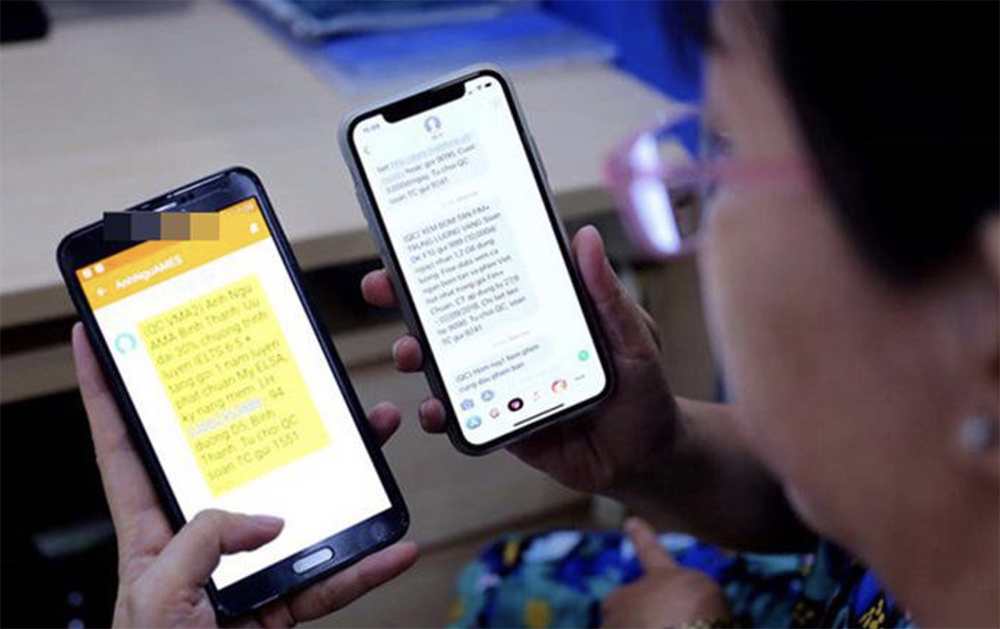
Theo phòng PA05, với thủ đoạn này các đối tượng giấu mặt sẽ dùng chiêu thức là gửi tin nhắn SMS Brandname (tức tin nhắn thương hiệu) giả mạo là ngân hàng. Nội dung tin nhắn là thông báo, hướng dẫn khách hàng đổi điểm thưởng.

lua dao.pngGần đây xuất hiện nhiều tin nhắn giả là tin nhắn thương hiệu tin nhắn ngân hàng để lừa đảo

Sau đó, các đối tượng lừa đảo gửi đến nạn nhân đường link có tên miền, giao diện giả mạo ngân hàng để lừa khách hàng đăng nhập, tải link có chứa mã độc.

Hậu quả, khách hàng sẽ bị lừa đăng nhập, làm lộ thông tin cá nhân, mật khẩu và mã OTP xác thực. Hoặc khi cài đặt ứng dụng chứa mã độc, nạn nhân bị chiếm quyền điều khiển điện thoại.

Từ đó, các đối tượng lừa đảo qua mạng viễn thông dễ dàng chiếm đoạt tiền trong tài khoản nạn nhân. PA05 khuyến cáo người dân cảnh giác để không trở thành nạn nhân của chiêu lừa đổi điểm thưởng mạo danh ngân hàng:

– Người dân không nhấp link lạ, đính kèm tin nhắn, không cài ứng dụng trên các website.

– Người dân tuyệt đối không cung cấp mật khẩu, mã OTP xác thực cho bất kỳ ai; không làm theo hướng dẫn qua các cuộc gọi.

– Các thủ đoạn lừa đảo mạo danh có thể mạo danh bất kỳ tổ chức, cá nhân: công an, bưu điện, điện lực, ngân hàng… nên người dân phải luôn cảnh giác cao độ, khi nghi vấn bị lừa đảo nên trình báo cơ quan công an để được hướng dẫn, hỗ trợ.

Nhiều người dùng tiếp tục bị lừa bởi tin nhắn giả danh ngân hàng với chiêu xác minh tài khoản khẩn cấp. Dấu hiệu nào để nhận biết và tránh sập bẫy?
giả danh ngân hàng - Ảnh 1.

Nhiều người dùng khi nhận tin nhắn có nội dung khẩn cấp thường có tâm lý hoảng loạn và dễ mắc bẫy lừa đảo – Ảnh: STELLA BANK

Các dấu hiệu nhận biết lừa đảo

Ngày 18-7, chuyên mục Công nghệ của Đài Fox News đã đưa ra cảnh báo về một hình thức lừa đảo ngân hàng tinh vi, trong đó khách hàng của ngân hàng lớn và có uy tín tại Mỹ là Chase cũng nằm trong số những mục tiêu bị nhắm đến.

Câu chuyện bắt đầu khi ông Bill, cư dân sống tại Idaho, Mỹ, gửi email chia sẻ với chương trình trải nghiệm thực tế của mình sau khi nhận được một tin nhắn đáng ngờ trên điện thoại cá nhân.

Tin nhắn có tiêu đề “Thông báo khẩn: Xác minh bảo mật tài khoản Ngân hàng Chase”, với nội dung cho biết hệ thống đã phát hiện hoạt động bất thường trên tài khoản của ông Bill, yêu cầu ông nhanh chóng xác minh để tránh bị khóa tài khoản tạm thời.

Tin nhắn mà Bill nhận được gọi ông là “quý khách”, có đính kèm một đường dẫn được gọi là “bảo mật” và yêu cầu ông hoàn tất thủ tục trong vòng hai tiếng.

Dù không bấm vào đường dẫn, Bill vẫn cảm thấy bối rối vì quả thực ông đúng là khách hàng của Ngân hàng Chase.

May thay sau đó ông đã chủ động liên hệ trực tiếp với ngân hàng và được xác nhận rằng đó là một tin nhắn lừa đảo.

Đài Fox News cho rằng những trường hợp như của Bill không phải là hiếm, khi các tin nhắn lừa đảo hiện nay được thiết kế ngày càng tinh vi, khiến nhiều người khó phân biệt thật giả nếu không để ý kỹ các chi tiết.

Một số dấu hiệu dễ nhận biết gồm nội dung mang tính hối thúc, tạo cảm giác khẩn cấp và yêu cầu người nhận phải phản hồi ngay trong thời gian rất ngắn.

Bên cạnh đó, các đường dẫn trong tin nhắn thường là liên kết rút gọn như bit.ly, điều mà các ngân hàng uy tín không dùng trong các thông báo chính thức.

Một dấu hiệu khác dễ nhận biết là cách xưng hô chung chung, chẳng hạn gọi người nhận là “khách hàng” thay vì ghi rõ họ tên.

Cách xử lý tin nhắn đáng ngờ

Theo Fox News, khi nhận được những tin nhắn nghi ngờ, người dùng nên tránh nhấp vào bất kỳ liên kết nào nếu chưa xác minh được nguồn gốc, đồng thời không trả lời hoặc tương tác để tránh rơi vào bẫy lừa đảo.

Sau đó cần liên hệ trực tiếp với ngân hàng thông qua ứng dụng chính thức hoặc số hotline hỗ trợ khách hàng.

Trong trường hợp đã bị đánh cắp thông tin, người dùng cần liên hệ cơ quan bảo vệ người tiêu dùng hoặc an ninh mạng để báo cáo trường hợp.

Fox News cũng khuyến nghị người dùng nên cài đặt phần mềm diệt vi rút để phát hiện sớm mã độc, bật bộ lọc tin nhắn rác, kích hoạt xác thực hai yếu tố cho tài khoản ngân hàng và hạn chế chia sẻ thông tin cá nhân trên mạng.

Trong khi các chuyên gia khuyến cáo người dùng nên thường xuyên kiểm tra tài khoản ngân hàng để phát hiện sớm các giao dịch bất thường, ngay cả khi chưa nhấp vào liên kết đáng ngờ.

Cần hướng dẫn cụ thể về cách nhận biết dấu hiệu cảnh báo và xử lý khi nhận tin nhắn đáng ngờ cho nhóm người lớn tuổi, vốn dễ trở thành mục tiêu của các cuộc lừa đảo.